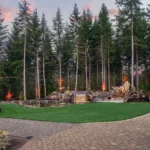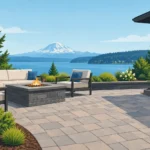
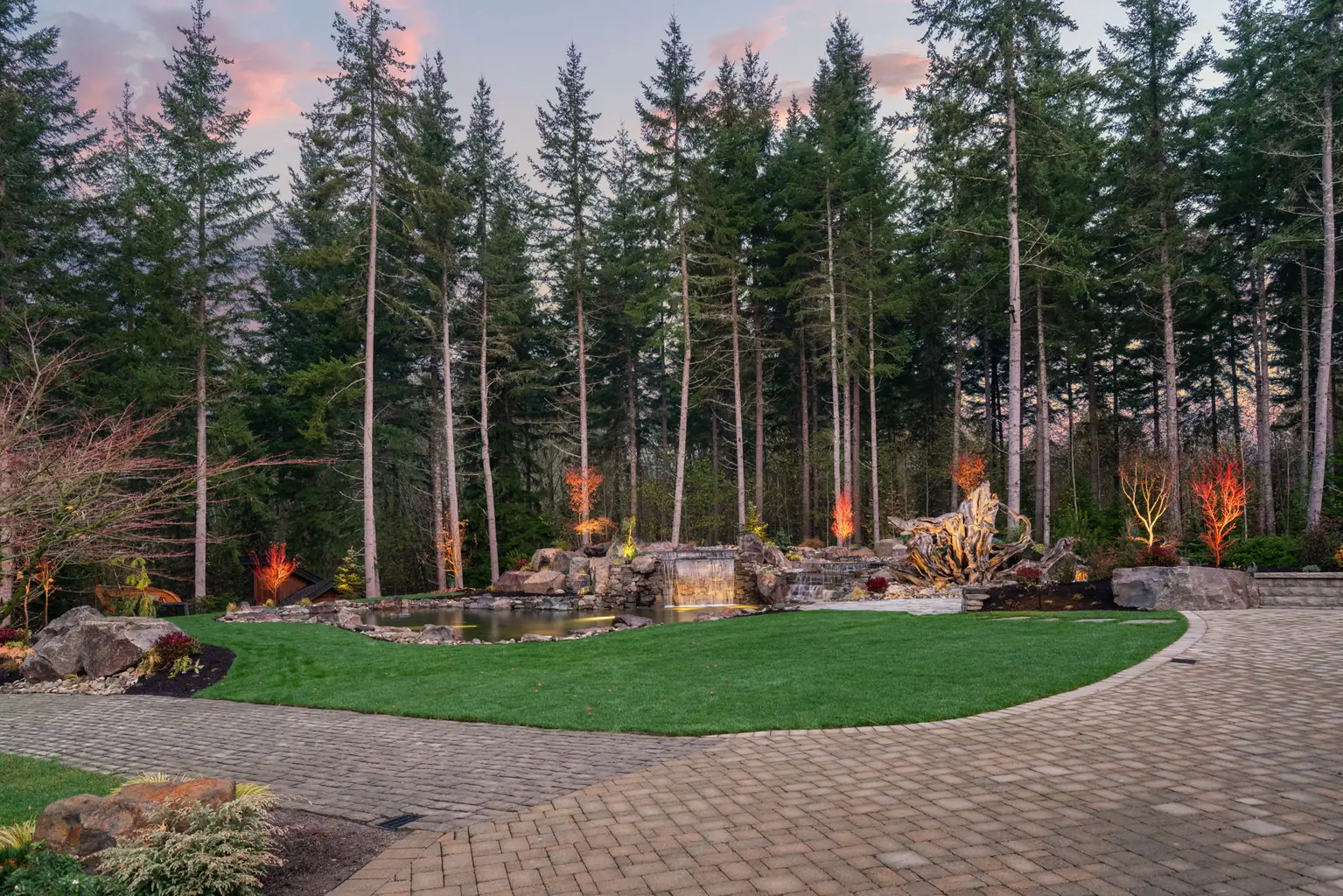
A yard can look unfinished for more than one reason. It may need a usable patio, better drainage, safer access from the driveway, privacy from nearby homes, or a planting plan that does not become a weekend burden. Professional landscape design services Olympia WA property owners can use should address those connected issues before the first paver is set or shrub is planted.
In Thurston County, a good outdoor plan has to work through wet winters, dry summer stretches, shaded lots, clay-heavy soil, slopes, and the daily traffic of real households or commercial properties. The goal is not simply to make a property look better from the street. It is to create exterior spaces that are built for how the property is actually used.
Start With How the Property Needs to Work
Landscape design is most useful when it begins with practical questions. Where does water collect after heavy rain? How do people enter the property? Is there enough flat, durable space for outdoor furniture, deliveries, trash bins, or equipment? Are tree roots, stumps, grade changes, or old concrete limiting what can be built?
A design plan should organize the property into functional areas. A front yard may need a clearer walkway and planting beds that frame the entry. A backyard may need a patio, lawn area, retaining wall, and irrigation zones. A commercial site may need dependable pedestrian access, durable surfaces, clean sightlines, and landscaping that supports a professional appearance without demanding constant attention.
This early planning prevents a common problem: installing attractive features one at a time without considering drainage, elevations, access, or future additions. A new patio can fail if water is directed toward it. A planting bed can struggle if irrigation was not planned. A retaining wall may be needed before a level outdoor area can be built safely.
Landscape Design Services in Olympia WA Should Consider Water First
Rain is part of life in Olympia. When a property has standing water, muddy paths, erosion, or damp areas near foundations, drainage needs to be part of the design discussion. Sometimes the solution is as direct as correcting a slope or adding drainage routes. Other times it involves rebuilding an area with retaining walls, gravel bases, hardscape surfaces, or properly graded planting beds.
Drainage work does not have to make a yard look industrial. It can be incorporated into a finished landscape through rock features, swales, ground cover, edge planting, and hardscape layout. The important part is that the water has a planned path instead of finding one through a lawn, patio joint, driveway edge, or foundation area.
There are trade-offs. A fully paved backyard reduces mud and maintenance, but it also limits planting space and can increase runoff if the overall drainage plan is ignored. A large lawn creates open space for kids and pets, but it can be difficult to maintain in a shaded or poorly drained yard. The right balance depends on the site and the people using it.
Build the Structural Pieces Before the Finish Work
Hardscape and site work often form the backbone of a successful landscape project. Paver patios, walkways, concrete pads, retaining walls, steps, and deck areas give a property structure. They establish routes through the yard, create usable gathering space, and help manage grade changes that would otherwise make an area awkward or unsafe.
For many Olympia properties, retaining walls are not only visual features. They can create level garden space, support a patio area, separate usable zones, and hold soil on sloped ground. Their design should account for drainage, base preparation, material selection, and the load the wall will carry. A small decorative wall and a wall holding back significant grade are not the same type of project.
Pavers are a strong choice for patios and walkways when a property owner wants a finished surface with visual flexibility. They can suit traditional gardens, contemporary outdoor rooms, or practical side-yard paths. Concrete may make more sense for a larger utility area, driveway extension, or a clean, simple patio. Material choice should follow the intended use, budget, site conditions, and maintenance expectations.
Choose Plants for the Site, Not Just the First Season
A planting plan should look good when installed, but it also needs to mature well. That means matching plants to sunlight, drainage, soil conditions, available space, and the level of ongoing care the owner wants to provide. A garden that looks full on installation day can become crowded within a few seasons if mature size was not considered.
In Olympia, shade is a major factor on many wooded lots and north-facing yards. Wet ground can limit certain plant choices, while hot, exposed areas may need more drought-tolerant selections once summer arrives. Deer pressure, pet access, and privacy needs can also influence the plan.
Planting does not need to be complicated to be effective. A well-organized combination of trees, shrubs, perennials, mulch, and clean edging can create definition around a home or commercial building. The best designs use plants to soften hardscape, screen unwanted views, guide movement, and add seasonal interest without turning every open area into a high-maintenance garden bed.
Plan Irrigation Around Real Maintenance Needs
Irrigation helps protect the investment in new landscaping, especially through dry Pacific Northwest summers. It is useful for lawns, garden beds, foundation plantings, and newly installed trees or shrubs. Just as important, it makes regular watering more manageable for busy homeowners and property managers.
An irrigation system should be organized by plant needs rather than treating every area the same. Lawn zones, shrub beds, containers, and newly planted areas may require different schedules and watering methods. Overwatering can be as damaging as underwatering, particularly in areas with poor drainage.
If a project includes pavers, retaining walls, concrete, or a new deck, irrigation planning should happen before finish surfaces are installed. Running lines after the fact can mean unnecessary disruption and extra cost. Coordinating the work from the beginning keeps the project cleaner and makes the finished space easier to maintain.
Address Trees, Stumps, and Site Clearing Early
Overgrown trees, hazardous limbs, old stumps, and brush can hold up a landscape project before it starts. They may block access, cast too much shade, interfere with construction, or take up space needed for a patio, garden, parking area, or building addition.
Tree and stump removal can be part of preparing a property for a complete redesign. It is especially helpful for newly purchased homes, neglected lots, and commercial sites that need a cleaner, safer appearance. Once clearing is complete, the area can be graded, improved with drainage, and developed into usable outdoor space instead of remaining an obstacle.
This is where working with one contractor can make a difference. Sunrise Landscaping LLC can coordinate landscape design, site clearing, hardscapes, irrigation, planting, and exterior construction as connected parts of one property improvement plan. That reduces the need to manage separate crews whose work may overlap or conflict.
What to Discuss During an Estimate
A useful estimate conversation starts with priorities. Some owners need to solve drainage or access first. Others are preparing for entertaining, improving curb appeal before selling, or rebuilding an aging yard after construction work. Be clear about what is not working now and what success would look like after the project is complete.
It also helps to discuss the full scope, even if the work will be completed in phases. For example, a homeowner may install a patio this year and add planting beds, irrigation, or a water feature later. Knowing the future plan allows the initial construction to account for utilities, grade, access, and transitions between spaces.
Budget matters, but the lowest first cost is not always the best value. Proper excavation, base preparation, drainage, and material installation are the parts that help a patio, wall, or walkway perform over time. A thoughtful plan can also identify where a simpler material or phased approach makes sense without compromising the work that needs to be done right from the start.
The most useful landscape plan is one that makes the property easier to live with, safer to maintain, and more enjoyable to use. Start with the problems that affect the site every day, then build a design that gives each part of the yard a clear purpose.