A sloped, soggy, or underused yard can limit how you enjoy your property. Hardscape pavers retaining walls can turn that difficult ground into a level patio, safer walkway, defined planting area, or usable outdoor space. For Olympia-area properties, the best results come from planning the wall, paver surface, drainage, and surrounding landscape as one connected project.
Start With the Grade and Water
Retaining walls do more than hold back soil. They manage changes in elevation, create flat areas where none existed, and help direct water away from foundations, patios, and walking areas. That makes site preparation especially important in the Puget Sound climate, where wet seasons can expose drainage problems quickly.
Before selecting wall block or paver color, look at where water travels across the property. A wall built without proper drainage can bow, settle, or allow water to collect behind it. A paver patio installed on an inadequate base can shift over time, creating uneven surfaces and low spots.
A well-built hardscape project accounts for grading, compacted base material, drainage stone, and appropriate edge restraint. The right approach depends on the slope, soil conditions, planned use of the space, and whether the wall is supporting a small garden bed or a larger grade change.
Planning Hardscape Pavers and Retaining Walls Together
Pavers and retaining walls often work best as part of one design. A retaining wall can define the edge of a paver patio, support a raised seating area, or create a transition between the home and a lower yard. Designing them together helps avoid awkward steps, mismatched elevations, and drainage paths that send water toward the house.
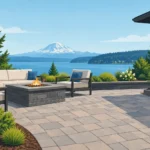
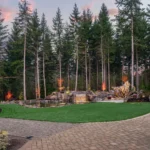
For example, a backyard with a downward slope may need a low retaining wall to create a level patio. The paver surface can then be graded to move water away from the home, while the wall is built with proper aggregate and drainage behind it. The finished area feels intentional instead of looking like a patio placed in the middle of an uneven yard.
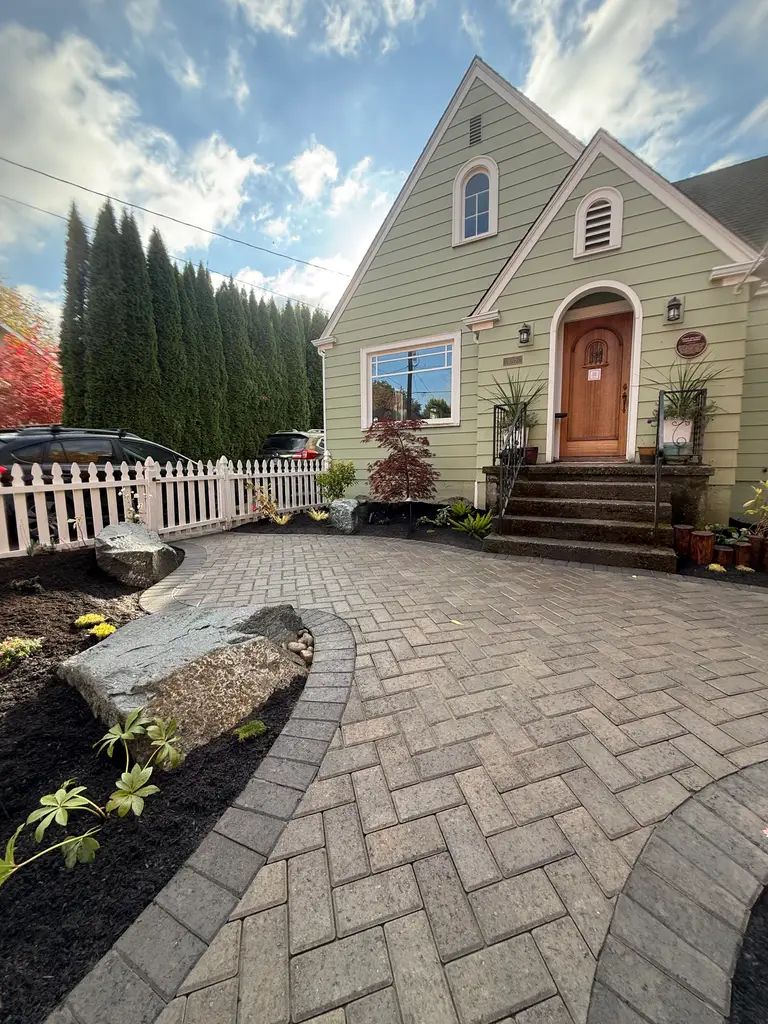
Front-yard projects can benefit as well. Paver walkways, entry landings, and short retaining walls can improve access from the driveway, define planting beds, and give the property a cleaner appearance. Commercial properties may use the same approach to improve pedestrian routes, manage planting areas, and maintain a professional curb appeal.
Choose Materials for Use, Not Just Appearance
Concrete pavers are available in many shapes, colors, and patterns, from simple clean-lined patios to more traditional walkways. The best choice should fit the home, the intended use, and the amount of maintenance you want to take on. A busy entry path needs a practical, slip-resistant surface. A patio may call for a pattern that complements the home and creates a defined gathering space.
Retaining wall materials should also match the scale of the project. Small landscape walls may use decorative wall block, while taller walls or walls supporting significant loads may require engineered design and permitting. Height, surcharge loads, nearby structures, and local requirements all matter. A wall that supports a driveway, building area, or steep slope is not a place to cut corners.
The Details That Protect Your Investment
The visible surface is only part of a durable paver or retaining wall installation. Excavation depth, base thickness, compaction, and drainage all affect how the project performs year after year. In western Washington, these details help reduce problems caused by seasonal moisture and soil movement.
Proper drainage behind a retaining wall is essential. Water pressure can build up in the soil after prolonged rain, adding stress that the wall was not meant to carry. Drain rock, drainage pipe where needed, and a clear outlet for water are practical parts of the construction process.
For pavers, a stable, compacted base supports a smooth finished surface. Edging keeps the pavers from spreading apart, while correctly installed joint material helps hold the pattern in place. These steps take time, but they are what separate a hardscape that stays level from one that begins shifting after a few wet seasons.
Build for How You Use the Property
The right project is not always the biggest project. Some homeowners need a compact paver landing at the back door to keep mud out of the house. Others need a larger patio with room for dining, seating, and a fire feature. A property manager may need a durable walkway and retaining solution that improves safety and reduces ongoing maintenance.
Sunrise Landscaping LLC can coordinate the connected work that these projects often require, including site clearing, grading, landscape installation, pavers, retaining walls, irrigation, and finishing details. Working with one local contractor can make it easier to move from an estimate and design concept to a completed outdoor space.
If your yard has a slope, drainage concern, worn concrete area, or unused corner, start by looking at what the space needs to do better. A thoughtful paver and retaining wall plan can give that part of the property a purpose that lasts.