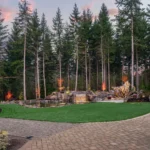
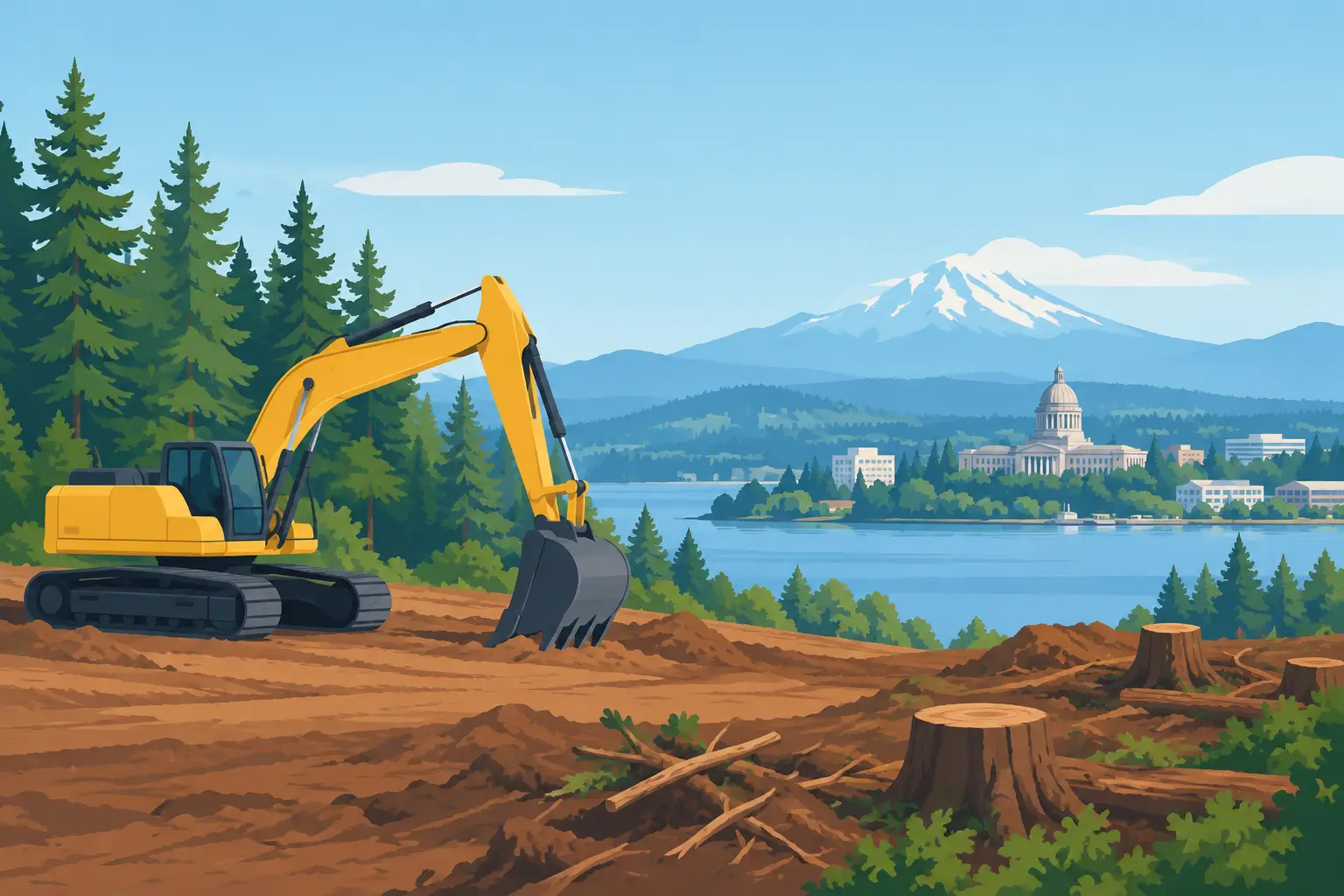
A property can look manageable from the street and still be difficult to build on. Dense brush, buried stumps, leaning trees, wet soil, old concrete, and uneven ground can all affect what comes next. Professional site clearing Olympia property owners rely on is not just about making land look open. It is about preparing the site for safe access, proper drainage, construction, and a finished outdoor space that works as intended.
For a backyard patio, new home addition, commercial landscape upgrade, or full property overhaul, clearing is usually the first construction step. Doing it carefully can prevent expensive changes later, especially on Olympia-area properties where tree cover, wet-season conditions, and changing grades are common.
What Site Clearing Should Accomplish
Site clearing removes obstacles, but the right scope depends on the project. One property may only need a few trees and stumps removed before a patio installation. Another may need brush clearing, demolition of an old fence or shed base, excavation, rough grading, and drainage planning before construction can begin.
The goal is not to strip a property bare without a plan. A good clearing plan identifies what stays, what goes, and what needs protection. Mature trees may provide valuable privacy and shade. Existing slopes may need to be retained rather than flattened. Healthy topsoil may be worth preserving for future lawn and planting areas.
On a typical residential project, site clearing can include tree removal, stump grinding or removal, brush and blackberry clearing, removal of old landscape materials, hauling debris, and preparing access for equipment. If the project will include hardscapes, retaining walls, concrete, irrigation, or new planting beds, the clearing work should be coordinated with those next steps.
Site Clearing Olympia Projects Need a Ground-Up Plan
Olympia and Thurston County properties often present a mix of wooded areas, heavy seasonal rain, clay soils, and established neighborhoods with limited access. Those conditions affect how crews move equipment, where material can be staged, and how water needs to be managed after clearing.
Removing trees and brush can change how rainwater travels across a lot. Clearing without considering grade and drainage may leave exposed soil, standing water, or runoff problems near a home, driveway, or neighboring property. That is why grading, swales, drainage improvements, retaining solutions, or new planting plans should be discussed early when they are part of the larger project.
Access is another practical issue. A large machine may save time on an open lot, but a fenced backyard may require smaller equipment and more careful handling. Narrow gates, overhead utility lines, nearby structures, septic areas, and established landscaping all influence the safest approach.
It also pays to consider the final use of the area before the first tree or stump is removed. A future paver patio needs a stable, properly prepared base. A lawn needs usable soil and drainage. A driveway extension needs excavation and compaction that support vehicle traffic. Clearing decisions should support the finished project instead of creating extra work for the next contractor.
Common Reasons Property Owners Clear a Site
Many homeowners call for clearing after buying a property that has been neglected for years. Overgrown vegetation can hide failing fences, drainage issues, uneven ground, and stumps that limit where a family can safely play or park.
Others are preparing for a specific improvement. A homeowner may need to remove trees to create room for a deck, garden installation, outdoor kitchen, retaining wall, or expanded patio. Commercial property managers may need brush and hazard-tree removal to improve visibility, access, safety, and curb appeal around a building or parking area.
There is also a difference between clearing for appearance and clearing for construction. Cutting brush back may improve the look of a property, but roots, stumps, unstable soil, and buried debris still need to be addressed before a permanent structure is installed. Being clear about the end goal helps define the right level of work.
Trees, Stumps, and Debris Need More Than a Quick Cut
Tree removal is often a major part of clearing, particularly on wooded Olympia properties. A tree that is dead, storm-damaged, leaning, or too close to a planned structure may need to come down. The work requires careful planning around homes, fences, utility lines, gardens, and neighboring lots.
After a tree is removed, the stump remains a decision point. Grinding is often a practical choice when the area will become lawn, mulch, or a planting bed. Complete stump removal may be necessary when excavation, a retaining wall, a concrete pad, or a deep hardscape base is planned in that location. The best option depends on the project, root spread, access, and future grade.
Debris handling matters as well. Brush piles, logs, old timbers, broken concrete, and removed landscape materials take up space and can slow down the project if hauling is not built into the plan. A clean site gives the next phase of work room to move forward safely.
Protect the Parts of the Property You Want to Keep
Clearing should improve a property, not damage the features that make it valuable. If mature trees, planting areas, a lawn, a driveway, or an existing structure will remain, they should be identified before equipment arrives.
Root zones around retained trees deserve special attention. Heavy equipment traffic and excavation too close to a tree can harm roots and affect long-term health, even if the tree appears fine immediately after the work. Likewise, soil stockpiles should be placed where they will not block drainage paths or create avoidable damage to finished areas.
For larger projects, it can help to phase the work. Clear the construction footprint first, complete grading and structural work, then finish with irrigation, topsoil, planting, sod, or mulch. This sequence reduces the chance that newly installed landscaping will be damaged by later construction.
Permits, Utilities, and Property Conditions
Some clearing projects involve requirements beyond the work itself. Depending on the property location, tree size, environmental conditions, site plans, and intended construction, permits or local review may apply. Property owners should confirm applicable requirements before major clearing begins.
Utility awareness is essential. Underground lines, septic systems, drainage infrastructure, and irrigation components may not be visible from the surface. Overhead service lines can also affect tree-removal methods. Identifying these conditions before digging, grinding, or bringing in equipment helps avoid disruptions and costly repairs.
Wet weather can change the schedule, too. Olympia’s rainy season may make soil too soft for certain equipment or create conditions where tracking mud and disturbing ground would cause more damage than progress. In some cases, waiting for a drier window is the practical choice. In others, the work can proceed with the right access protection and erosion-control measures.
One Contractor for Clearing and the Work That Follows
A site-clearing project often connects directly to landscape construction. Once trees, brush, stumps, and old materials are removed, property owners may need grading, drainage work, a retaining wall, concrete, pavers, irrigation, lawn installation, or new landscape beds.
Working with a contractor that understands both clearing and finished outdoor construction can simplify planning. Instead of treating removal as a separate task, the work can be organized around the final layout and use of the property. Sunrise Landscaping LLC can help property owners move from tree and stump removal through grading, hardscape construction, and landscape installation with a coordinated plan.
That approach is especially useful when a project involves several connected needs. For example, removing a slope-side stump may lead to a retaining solution, drainage adjustments, and a new planting area. Clearing a backyard may create space for a patio, but the patio still needs base preparation, edge restraint, and a plan for water runoff.
What to Discuss Before Requesting an Estimate
An accurate estimate starts with a clear picture of the site and the desired outcome. Be ready to explain whether the goal is general cleanup, a future building area, a driveway, an outdoor living space, or a complete landscape transformation. Photos can help, but an on-site review is often needed to assess access, slopes, tree condition, debris volume, and equipment needs.
It is also helpful to identify the features you want protected, such as a favorite tree, a fence, a garden bed, or a neighboring boundary. If you already have plans for a patio, deck, retaining wall, or drainage system, share them early. That information can change how the site is cleared and graded.
A well-cleared property gives every later improvement a stronger starting point. When the first phase is planned around drainage, access, safety, and the finished design, the work ahead becomes more straightforward and the space is ready to become useful again.