A green lawn, productive garden beds, and healthy foundation plantings do not all need water the same way. That is the real decision behind drip irrigation versus sprinkler systems. On many Olympia-area properties, the best answer is not one system for the entire yard. It is a plan that gives lawns broad coverage and gives trees, shrubs, and planting beds slower water at the root zone.
Choosing the right approach before landscaping is installed can prevent wasted water, muddy walkways, stressed plants, and costly changes later. It also matters when a yard includes patios, retaining walls, garden beds, slopes, or newly planted trees. Irrigation should support the finished landscape rather than work against it.
Drip Irrigation Versus Sprinkler Systems: The Main Difference
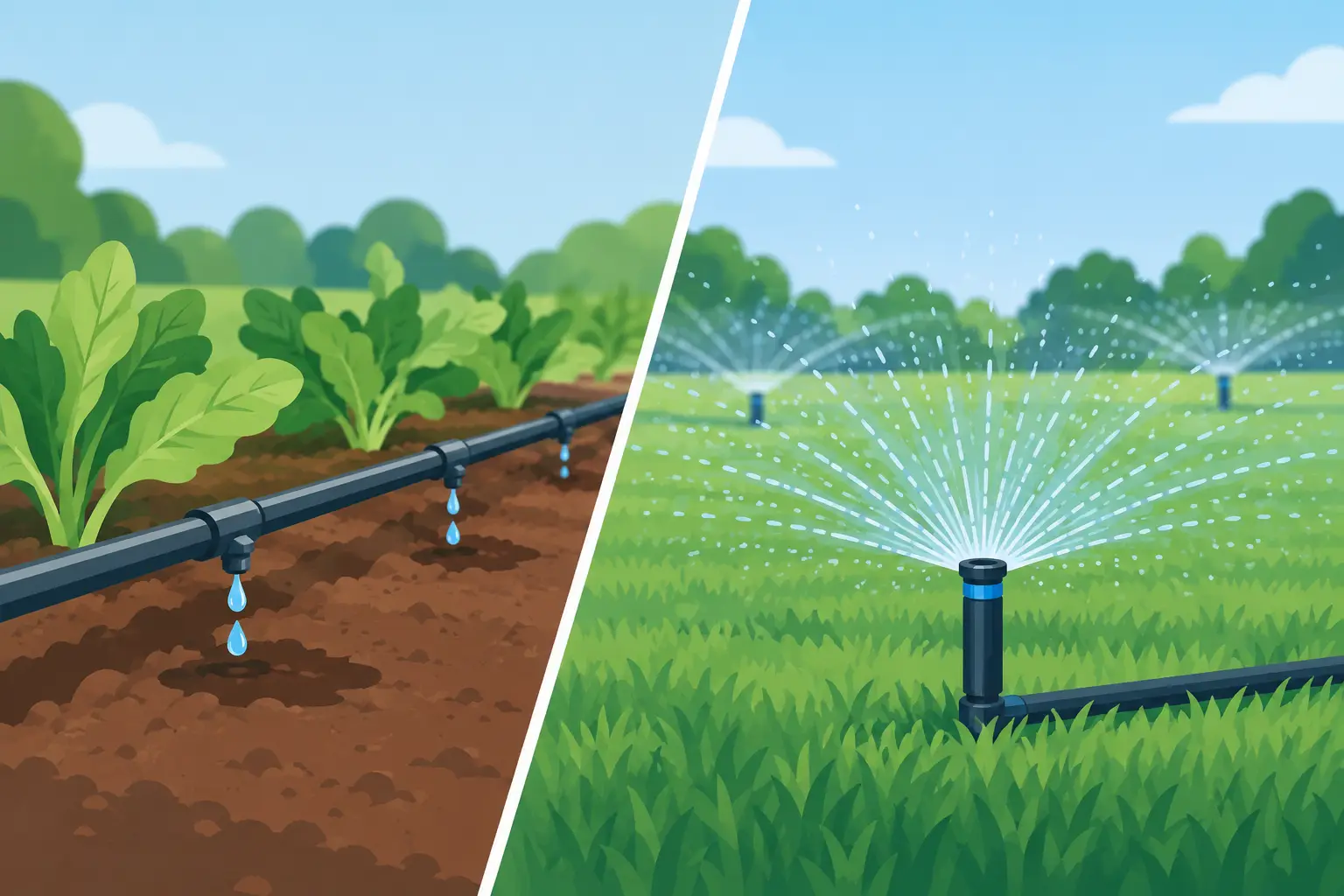
Sprinkler systems distribute water through spray heads or rotors that throw water over a broad area. They are designed to cover turf, large open planting areas, and other spaces where water needs to reach the full surface evenly.
Drip irrigation delivers water slowly through tubing, emitters, or dripline placed at or below the soil surface. Instead of wetting the entire bed, it targets the soil around plant roots. That makes it especially useful for shrubs, perennials, vegetable gardens, trees, and narrow landscape strips.
The practical difference is simple: sprinklers water an area from above, while drip irrigation waters specific plants and root zones. Each method has a place, but using the wrong one can create maintenance problems.
When Sprinkler Systems Make Sense
Sprinklers are usually the right choice for lawns. Grass has dense, shallow roots spread across the entire yard, so it needs even coverage over a large surface. A properly designed sprinkler layout can apply water consistently without forcing hoses or portable sprinklers across the lawn.
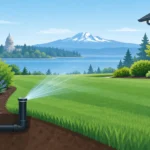
They also work well for broad groundcover areas and large planting zones with similar water needs. Pop-up spray heads are common for smaller lawns, while rotors are better suited to larger turf areas because they distribute water more slowly over a wider radius.
For commercial properties, sprinklers can be a practical option for visible lawn areas, entry landscaping, and open common spaces. A controller can schedule watering during early morning hours, reducing interference with residents, customers, or employees.
Sprinkler systems do have limits. Wind can carry spray onto sidewalks, driveways, siding, and fences. In the Puget Sound area, summer mornings are often calm enough for efficient operation, but poor head placement or mismatched nozzles can still waste water. Overspray is more than an inconvenience – it can leave pavement slick, encourage algae, and raise the water bill.
Sprinklers also wet foliage. For turf, that is generally not a concern when watering occurs early in the day. For roses, vegetables, and dense ornamental beds, repeatedly wet leaves can contribute to fungal disease, particularly when the plants do not have good air circulation.
Best uses for sprinklers
Sprinklers are typically best for established or new lawns, large areas of uniform groundcover, and open commercial turf. They are less effective in narrow side yards, irregular planting beds, and landscapes with a mix of drought-tolerant and moisture-loving plants.
Where Drip Irrigation Works Best
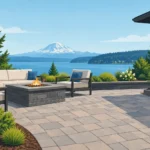
Drip irrigation is built for planting beds. It puts water near the roots, where plants can use it, and leaves much of the soil surface and surrounding hardscape dry. That targeted approach is useful around patios, walkways, retaining walls, and foundations where overspray is unwanted.
Newly installed trees and shrubs benefit from deep, controlled watering. Their roots need moisture below the surface as they establish, not a quick daily spray over the mulch. Dripline or dedicated emitters can provide longer, less frequent watering that encourages roots to grow downward and outward.
Drip is also a strong choice for vegetable gardens, raised beds, hedge rows, and narrow foundation plantings. In a bed with mulch, the tubing can often be covered so the installation stays out of sight while protecting the line from sun exposure and yard activity.
Because drip applies water slowly, runoff is less likely on slopes and compacted soils. This is valuable on properties where grade changes, retaining walls, or drainage patterns make surface water management a concern. Slow delivery gives soil time to absorb moisture instead of sending it toward a patio, driveway, or low spot.
Drip is not maintenance-free. Emitters can clog from sediment or mineral buildup, tubing can be damaged during planting or edging, and buried lines can be hard to locate after landscape changes. A properly installed drip zone should include filtration, pressure regulation, and accessible valves. Those details add cost up front but help the system perform as intended.
Best uses for drip irrigation
Drip is generally best for trees, shrubs, perennial beds, vegetable gardens, planter boxes, foundation planting, and narrow or curved landscape areas. It is not usually the best stand-alone choice for a conventional lawn because achieving even turf coverage with drip can be difficult and expensive.
Water Use, Cost, and Maintenance
Drip irrigation often uses less water than overhead sprinklers because it limits evaporation, wind drift, and water landing outside the planting area. That does not mean every drip system automatically saves water. An overwatered drip zone can waste just as much as a poorly adjusted sprinkler zone. The controller schedule, soil type, plant maturity, and season matter.
In Olympia and Thurston County, irrigation needs change considerably through the year. Spring rain may reduce or eliminate the need for supplemental water, while dry summer stretches can stress lawns and new plantings. A controller that can be adjusted by zone is more useful than a one-size-fits-all schedule.
Installation cost depends on the size and condition of the property. A simple lawn sprinkler layout may require trenching, valves, heads, pipe, and a controller. Drip systems require tubing, fittings, emitters or dripline, filters, pressure regulators, and separate zones when plant water needs differ. If an existing system is being updated, access to water lines and the condition of old equipment also affect the price.
Maintenance is different for each system. Sprinkler heads may need adjustment after lawn settling, mowing damage, or landscaping changes. Heads should sit at the correct grade, spray only the intended area, and match the precipitation rate of nearby heads. Drip systems need seasonal flushing, filter checks, and occasional repairs where tubing has shifted or been cut.
Both systems need winter attention. Freezing temperatures are less severe here than in many regions, but irrigation lines and backflow devices can still be damaged by a hard freeze. Seasonal shutoff and winterization protect the investment, especially on exposed sites.
Design the System Around Zones, Not Just Plants
The most effective irrigation systems separate areas based on how they are used and how much water they need. A lawn zone should not share a valve with a shrub bed. A newly planted tree should not receive the same schedule as mature, established evergreens. A sunny slope should not be watered like a shaded area beneath large trees.
This is why combined systems are common. A property may use sprinklers for lawn areas and drip irrigation for planting beds, with separate valves and schedules for each. That setup gives the owner more control and avoids forcing one delivery method into every part of the landscape.
Soil conditions should guide the design as well. Heavy or compacted soil absorbs water slowly and may need shorter run times with breaks between cycles. Sandy soil drains faster and may need a different schedule. Sloped sites, exposed areas, and beds under roof overhangs each create their own watering challenges.
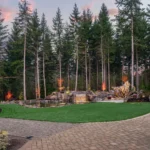
Landscape construction should also be considered before irrigation lines go in. If a project includes new pavers, a retaining wall, concrete work, tree removal, or grading, irrigation planning should happen early. It is far easier to place sleeves, pipes, and valves before finished surfaces are installed than to cut into a new patio or disturb completed planting beds later.
Choosing the Right System for Your Property
Start with what you are watering. If most of the area is lawn, sprinklers will likely carry the main load. If the property has extensive beds, young trees, garden areas, or narrow spaces around hardscapes, drip irrigation should be part of the plan.
Then consider how the property will change. A bare yard being turned into a finished outdoor space may need irrigation zones planned around future beds, patios, and lawn areas. An established landscape may only need targeted upgrades, such as converting oversprayed shrub beds to drip while keeping the lawn sprinkler system in place.
A professional site review can identify water pressure, drainage concerns, grade changes, utility locations, and access issues before installation begins. For Olympia-area projects that combine landscape installation and outdoor construction, Sunrise Landscaping can help plan irrigation as part of a practical, finished property improvement plan.
The right irrigation system should make your landscape easier to maintain, not give you another set of problems to manage. Build it around the plants, soil, and finished layout you actually have, then adjust it as the landscape grows.