A leaning evergreen near the driveway, a decaying alder over the roof, or a stump sitting in the middle of a future patio area can hold up an entire property project. Tree removal Olympia homeowners and property managers need is not simply about taking down a tree. It is about making the site safer, opening usable space, protecting nearby structures, and preparing the ground for what comes next.
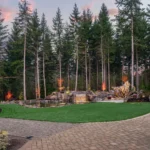
In Olympia and across Thurston County, mature trees are part of what makes a property feel established. They also require practical decisions when they become unhealthy, overgrown, poorly located, or damaged by wind and saturated soil. A good removal plan considers the tree, the site, and the improvements you want to make afterward.
When Tree Removal Is the Right Call
Removing a tree is usually a permanent decision, so it should have a clear purpose. Sometimes selective pruning can address a low limb or improve clearance. In other situations, removal is the safer and more cost-effective option.
Visible decay, a trunk that leans more than it once did, dead limbs in the upper canopy, and roots lifting a sidewalk or driveway all deserve attention. Fungal growth around the base, large cracks, cavities, or soil heaving near the root zone can also point to structural concerns. A tree does not need to fall during a storm to create a problem. Limbs rubbing on a roof, blocking service access, or crowding a building can lead to ongoing maintenance and property damage.
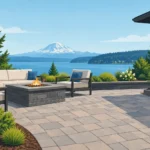
Location matters as much as condition. A healthy tree may still need to come out if it sits where a retaining wall, patio, deck, drainage solution, driveway expansion, or new landscape layout needs to go. For newly purchased properties, clearing a few unsuitable trees can be the first step toward making an overgrown yard functional.
Tree Removal Olympia Property Owners Can Plan Around
Every removal has different access, safety, and cleanup requirements. A tree in an open backyard is not the same project as one growing between a house, fence, power lines, and a neighbor’s property. The size of the tree, its lean, limb spread, ground conditions, and distance from structures all affect the approach.
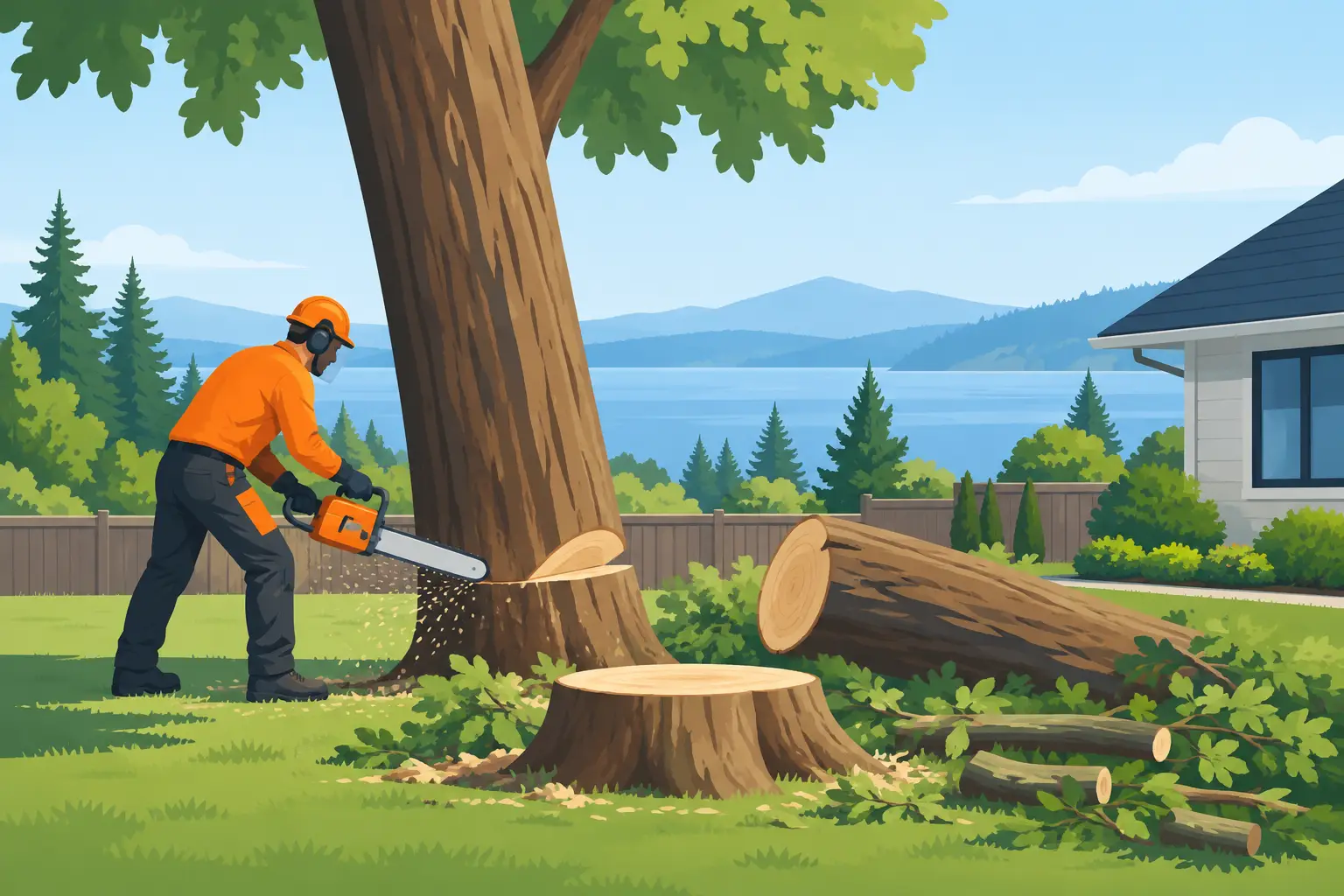
On a constrained residential lot, removal may need to happen in controlled sections rather than as one full drop. Crews need room to work safely, move material, and protect landscaping, fencing, hardscape, and structures that will remain. Wet Olympia soils can also affect equipment access and the best timing for a project.
Before work begins, confirm property lines and consider any local requirements, neighborhood rules, or utility concerns that may apply. Rules can vary based on the location, tree type, and scope of work. If branches are close to overhead utility lines, the situation needs careful coordination. A property owner should never assume that a difficult tree can be handled with a saw and a free afternoon.
What a Clear Estimate Should Address
A useful tree removal estimate starts with a site visit. It should account for the tree’s size and condition, access to the work area, nearby risks, the expected cleanup, and whether stump removal is included. Asking about these details early prevents confusion once a project is underway.
It also helps to explain what you want the space to become. If the tree is coming out for a new paver patio, lawn area, garden bed, fence line, or parking area, the removal work can be planned with the next phase in mind. That may affect where material is staged, how much of the stump needs to be removed, and what grading or restoration will be needed afterward.
Do Not Treat the Stump as an Afterthought
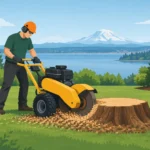
A cut stump can be acceptable in a wooded area or a part of the property that will remain natural. In a lawn, garden, driveway edge, or future construction zone, it often becomes an obstacle. It can interfere with mowing, create a tripping point, attract new growth, and limit how the space can be used.
Stump removal is especially worth considering when the area will receive new irrigation, sod, planting beds, concrete, pavers, or a structure. Surface roots and remaining wood can complicate excavation and settlement if they are left below a future hardscape. The right level of removal depends on the plan for the site. A planting area may need a different approach than a location intended for a patio base or retaining wall.
After the stump is removed, the site may need soil added, compacted, graded, or planted. That finishing work is where a full-service contractor can save time. Instead of leaving a rough opening in the yard and calling another company, property owners can move directly into landscape restoration or construction.
Plan the Whole Yard, Not Just the Removal
Tree removal often reveals issues that were hidden by shade and overgrowth. You may find uneven grades, drainage that runs toward the house, worn-out lawn areas, failing garden edges, or an awkward patio layout. It can also reveal opportunities: more sunlight for a vegetable garden, space for a wider walkway, or room for outdoor seating.
This is why removal should be connected to a larger property plan when possible. For example, taking out a tree near a slope may create an opportunity to correct grading and build a retaining wall. Clearing several small trees from a back corner may make room for a level paver area, drainage improvements, and new planting beds. Removing a stump near a front walk can be paired with fresh landscaping that improves curb appeal.
Sunrise Landscaping LLC can coordinate tree and stump removal with landscape design, hardscapes, retaining walls, irrigation, concrete, decks, patios, and finishing work. That single-project approach is useful when removal is only one part of a larger improvement rather than the final goal.
Consider the Trade-Offs Before Clearing
More open space is not always better. Trees can provide privacy, shade, visual screening, and character. Before removing a healthy tree, consider whether selective pruning, relocating a planned feature, or using a different landscape design could preserve it.
On the other hand, keeping a declining or poorly placed tree can make future work more expensive. Building a patio around problematic roots, trying to install a retaining wall too close to a trunk, or repeatedly repairing a fence damaged by limbs may only postpone the decision. The practical choice depends on the tree’s condition, its value to the property, and the work you need completed.
If shade will be lost, plan for the change. New planting can restore privacy over time, while a pergola, covered patio, or carefully positioned seating area can make an exposed space more comfortable. The goal is not merely an empty yard. It is a property that works better for the people using it.
Prepare for a Smoother Project
Property owners can help a removal project go more smoothly by clearing vehicles, outdoor furniture, movable planters, and other items from the work zone. Marking sprinkler heads, septic components, low-voltage lighting, and other known underground features is also helpful. If access requires passing through a gate or along a side yard, measure and communicate those constraints before work is scheduled.
For commercial properties, timing and traffic flow deserve extra attention. A tree near customer parking, building entries, or delivery access may require the work to be scheduled around business operations. A clear plan protects visitors and helps keep the property presentable while the project is underway.
Once the tree is removed, do not rush the final decisions. Walk the newly opened area, consider sight lines from the house and street, and think about drainage after a heavy Olympia rain. The best next step may be simple restoration, or it may be the start of a more useful outdoor space. A detailed estimate gives you a practical place to begin.